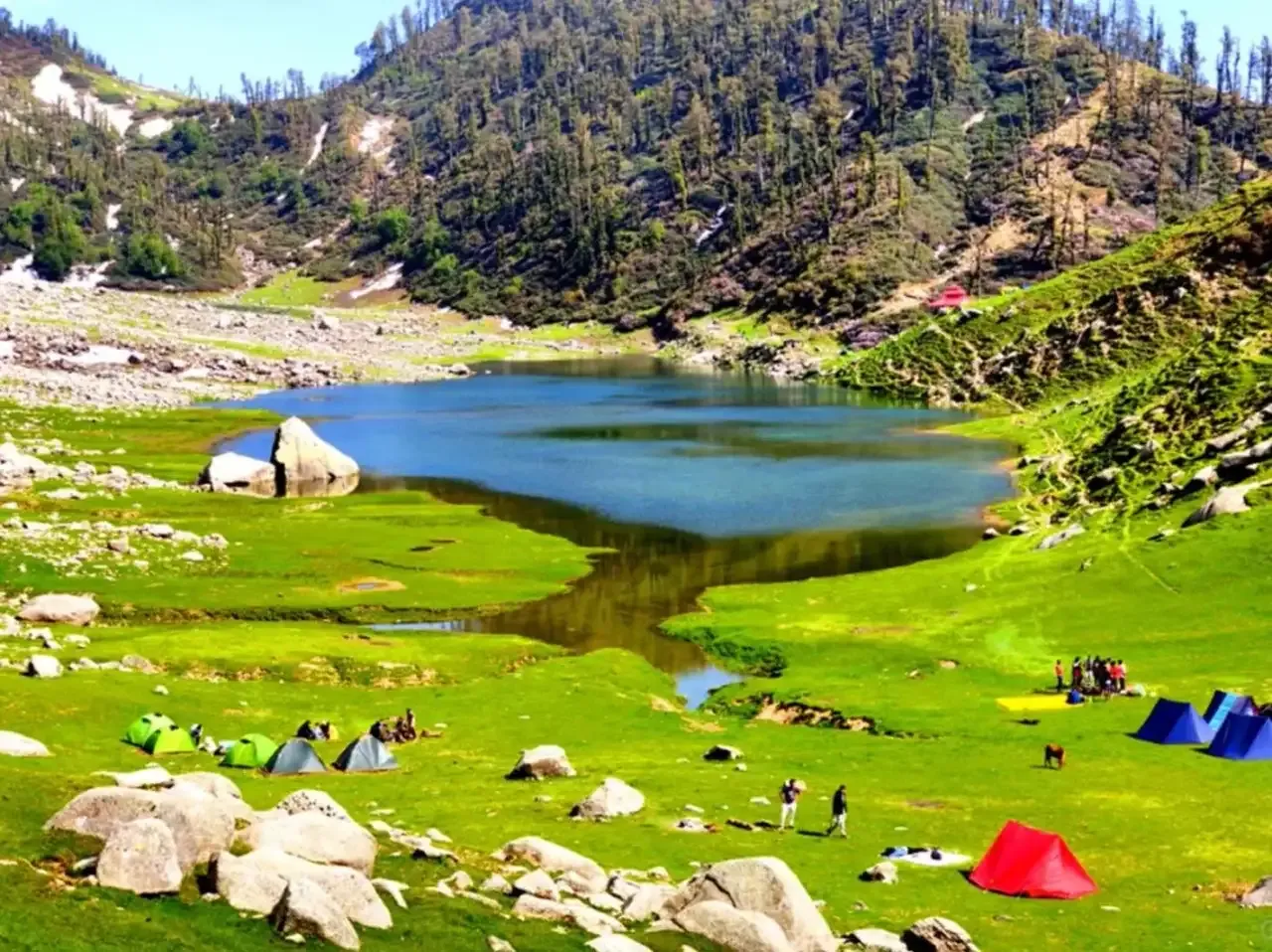
If you have trekked above 3,000 metres in the Dhauladhar, you have probably seen a Gaddi. Likely a man with a goat-hair shawl, a wooden stick, and a herd of a hundred sheep moving slowly up a slope most tourists would consider impossible. The Gaddi are a semi-nomadic pastoral community who have used this mountain range as their workspace for at least five hundred years. They are not a curiosity. They are the reason most of the high trails exist.
Origin
The community is centred in Bharmour in the Chamba district on the other side of the Dhauladhar. Their winters are spent in the lower Kangra Valley. Their summers are spent in the high alpine pastures of Manimahesh and Lahaul. The seasonal migration across the passes is the basis of the calendar. Indrahar, Minkiani, Baleni, and other Dhauladhar passes are the Gaddi routes. A trek to Indrahar is essentially a two-day walk on a road that has been used by shepherds for centuries.
Why this matters for trekkers
The shepherd huts you find at Laka Got, Lahesh, and along the Kareri stream are not tourist infrastructure. They are seasonal homes. Most are unlocked in summer. It is acceptable to shelter in one during a storm. It is not acceptable to leave waste, move things, or spend a night there without asking permission from a shepherd if one is in residence. A small offering, usually tea or biscuits from your own pack, is a respectful way to open a conversation.
The religion
Most Gaddi are Shaivite Hindus. Shiva is central. The Manimahesh Kailash peak, visible from Indrahar Pass on a clear day, is considered a divine residence. You will often find small stone shrines near the passes. They are not decorative. Leave them alone, and if you want to show respect, add a stone rather than take one.
A practical note
Gaddis speak Kangri or Chambyali at home, but most speak Hindi fluently. If you ask politely, most shepherds will talk to you for as long as you have tea. They are excellent mountain weather readers. If a Gaddi says it will rain in two hours, you are getting wet in two hours.
← All blog postsQuestions, answered
Who are the Gaddi shepherds?+
A semi-nomadic pastoral community of the Dhauladhar, historically from Bharmour in Chamba, who move sheep and goat flocks between winter grazing in Kangra and high summer pastures over passes like Indrahar and Thamsar.
Can you trek the Gaddi migration routes?+
Yes — the Gaddi Kingdom Trek (6D/5N) and Thamsar Pass Trek (5D/4N) both follow working shepherd routes, with nights near active grazing camps in season.
When can you meet Gaddi shepherds on the trail?+
Late May–June as flocks move up, and September–early October as they descend. Ask before photographing camps, and buy cheese or wool if offered — it is welcome.