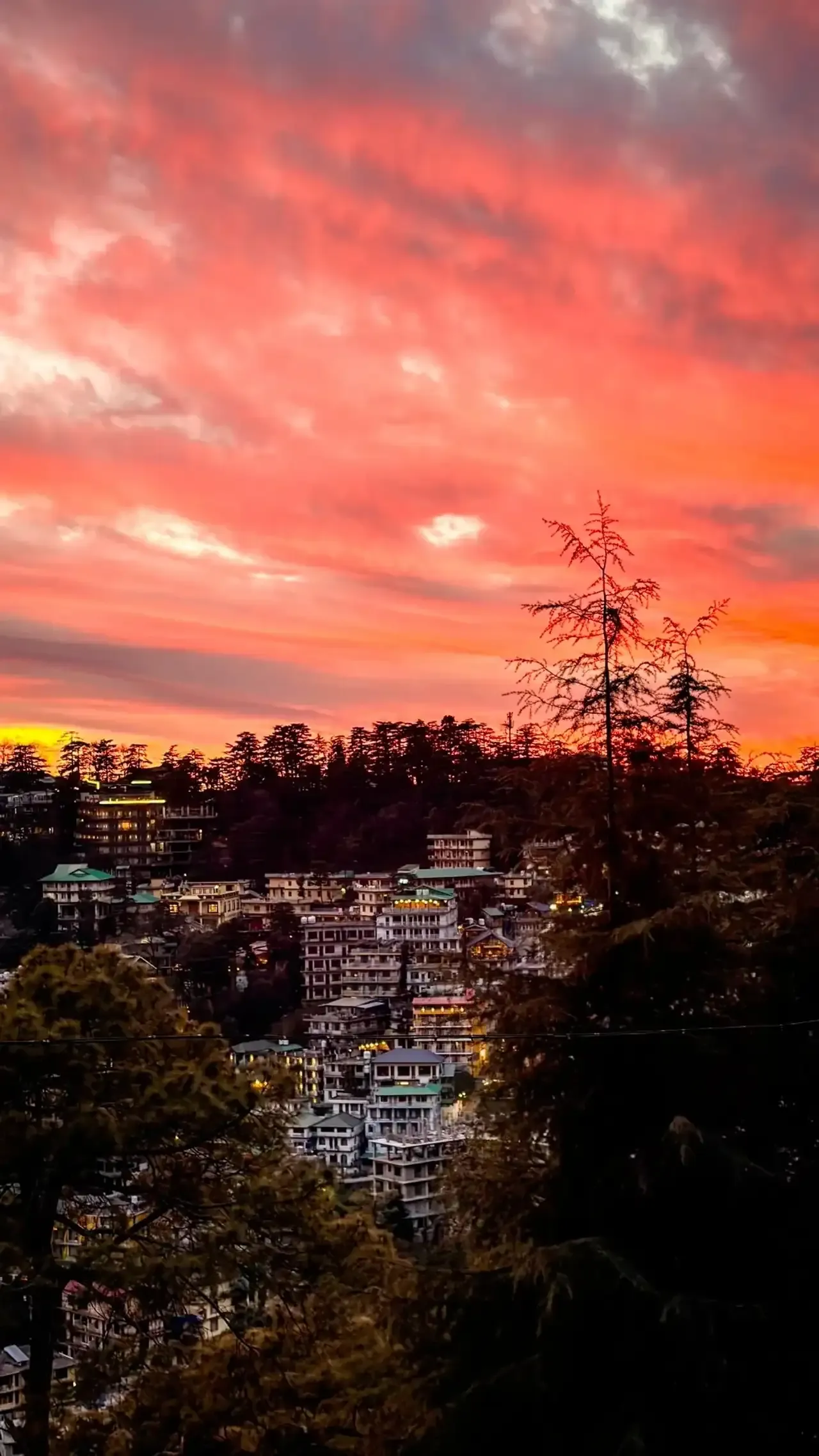
The standard sightseeing tour hits seven stops in a morning, spends eleven minutes at each, and deposits you back at your hotel with nothing you can tell a friend about. Here is a day we would actually give to a visiting cousin. It starts slow and ends with a view.
How to run the day
This is a full day, not a morning, and it only works if you are not being hurried between stops by a driver on a fixed circuit. Five places, roughly north to south and then back up the hill for the evening. Start at nine and you will finish at sunset with time to sit at every one of them.
The one decision that changes the day is how you move between the stops. A private cab for the day is the easy answer and lets you ignore the parking, which above McLeod Ganj is a real consideration. A rented scooty is the better one if you are a confident rider — it costs a fraction of the cab, and half the point of this itinerary is stopping where you feel like stopping. Current rates for both are on the rentals page; the rental guide covers what you need to have with you before anyone hands you keys.
Start at St. John in the Wilderness
The 1852 Anglican church in Forsyth Ganj is usually empty on weekdays. The stained glass is original, donated by Lady Elgin after her husband, the Viceroy, was buried in the churchyard. The wooden pews sit under cedar beams that have survived two major earthquakes. This is not a twenty-minute tourist stop. Sit in a pew. Read the inscriptions on the stones in the small cemetery outside. It tells you more about British India than a book would.
Go on a weekday morning if you possibly can. On Sundays there is a service and the church is properly in use, which is worth seeing but is a different experience entirely — you will be a guest at something rather than alone in a cold stone room with two hundred years of inscriptions. The graveyard is the part most visitors walk past. Read the ages on the stones: an unreasonable number of them are under five, and the Victorian confidence of the memorials sits very oddly against that.
Walk, do not drive, down to Norbulingka
Norbulingka Institute is the academy where Tibetan art is being actively preserved. Thangka painters, wood carvers, and metal workers still apprentice here. The garden is Japanese in influence and has a cafe at one corner with the best momos in the valley. Plan two hours, not forty minutes. If a workshop is running, you can watch an artist at work without being ushered.
Two things worth knowing before you go. The workshops keep working hours, so an afternoon arrival can mean beautiful empty studios and no artists in them — before three is safer. And the doll museum at the back, which sounds like something to skip, is genuinely one of the better small museums in the state: a set of dioramas of Tibetan regional life made by the same craftspeople who work in the studios upstairs.
If Tibetan craft is the thread you want to pull, the Gyuto monastery at Sidhbari is fifteen minutes further down and is a working tantric college rather than a visitor attraction — which is exactly why it is worth the detour. The fields around Sidhbari are the flattest, quietest ground in the whole area and the Dhauladhar looks enormous from them, because for once you are far enough back to see the whole wall at once.
Eat where the monks eat
Lhasa Kitchen near the Tsuglagkhang complex is not a secret, but tourists tend to go to the better-signposted places. The monks who eat there like that it is quiet and the thukpa is honest. Skip the Western menu. Order thenthuk if you have a stomach for ginger and the weather is cold.
If you are already at the Tsuglagkhang complex, give it an hour rather than a photograph. The Tibet Museum on the way in is small, free and does more to explain why this town exists in its current form than anything else you will see all day. Walk the kora — the circuit path around the complex — clockwise, the way everyone else is going. It takes about twenty minutes, it is mostly under trees, and it is the single most pleasant piece of walking inside McLeod Ganj.
Climb to Naddi at golden hour
Everyone goes to Naddi for sunset. The secret is that the panorama is slightly better from Kareri road, another kilometre up. Ask your driver, or walk it. The view opens past Gaj Peak and includes the profile of the Kangra Valley floor that Naddi itself does not quite show.
Give yourself an hour of daylight in hand. The light on the Dhauladhar does the interesting thing well before the sun actually sets — the wall goes from white to gold to a brief improbable pink — and most people arrive in time for the last five minutes of it. If the afternoon has clouded over, do not write the evening off: some of the best light here happens when a front is breaking up, and a flat grey afternoon can turn into twenty spectacular minutes with no warning at all.
Aghanjar Mahadev, on the way back down toward Khaniyara, is the stop to add if you have energy left — a small Shiva temple built over a stream in a gorge, almost entirely visited by locals. It is not on any cab circuit, which is the whole reason it is on this one. There are more of these on the walking routes around the valley than any day of driving will reach.
End at a tea house, not a cafe
Most Western-style cafes in McLeod Ganj play the same soundtrack and serve the same avocado toast. If you want tea, there is a small Tibetan tea house behind the Dalai Lama complex that serves po cha, the traditional butter tea. It is an acquired taste. That is the point.
What to skip
The Bhagsu waterfall, on a weekend, in season. It is a genuinely pretty spot that has been loved past the point of pleasure, and on a Sunday afternoon you will queue on a staircase to look at it. Go on a weekday morning or go up to Bhagsu Nag and keep walking past the falls toward Dharamkot instead. Likewise the cricket stadium: the photograph everyone takes of it is taken from outside, and unless there is a match on there is nothing to do once you are in.
If you have a second day
The obvious extension is down onto the valley floor, where almost nothing is on the standard circuit. Kangra Fort is an hour away and is the oldest thing you will see in Himachal by a margin of centuries. The Masroor rock-cut temples are further and stranger — fifteen shrines carved downward out of a single sandstone ridge, which almost nobody visits. And Palampur is the greenest hour of driving in the region.
If it rains
Which it will, if you are here in the monsoon. This particular day survives rain better than most itineraries do, because three of the five stops are indoors and the fourth is a tea house. Reverse it: start at Norbulingka when the studios open, take the museum and the monastery in the wettest part of the afternoon, and keep the viewpoint in your pocket for whichever evening clears. The Dhauladhar after rain, on the one evening in three that the cloud lifts off it, is better than anything you would have seen in a dry week.
We put days like this together for guests all the time, usually with a driver who knows which of these are worth the detour on the day. If you would rather not assemble it yourself, tell us your dates.
← All blog postsQuestions, answered
What can I see in Dharamshala besides the usual sightseeing circuit?+
Norbulingka's art studios, the Gyuto monastery, Sidhbari's fields, the Aghanjar Mahadev temple and quiet Naddi-side trails — plus tea gardens on the Palampur side that most day-tour cabs skip.
Is one day enough for offbeat Dharamshala?+
You can cover a relaxed alternate circuit in one full day with your own scooter or a private cab. Add a second day if you want Palampur's tea gardens or Masroor's rock-cut temples.
How do I get around Dharamshala's offbeat spots?+
Rent a scooty (₹990/day) for flexibility, or take a private cab for the day — local buses exist but are slow between villages. Roads are narrow, so confident riders only.